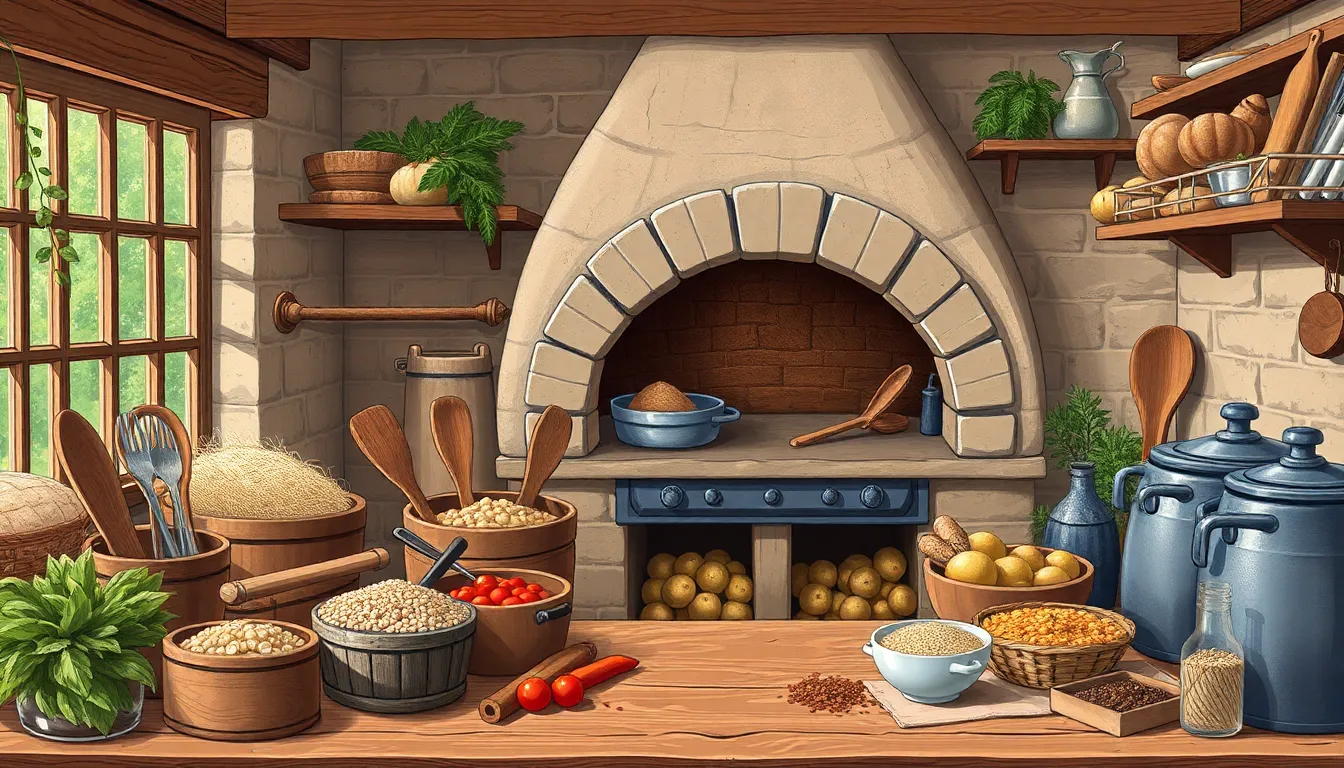
When it comes to food, the United Kingdom might not be the first place that springs to mind. But hold onto your forks—this culinary landscape is a delightful mix of tradition and innovation. From the classic Sunday roast that warms the heart to the cheeky fish and chips devoured on a rainy day, British cuisine has a story to tell that’s as rich as its puddings.
United Kingdom Food Culture
United Kingdom food culture reflects a synthesis of historical influences and contemporary trends. Traditional meals like the classic Sunday roast and fish and chips stand alongside diverse international cuisines. Regional specialties play a significant role, showcasing the unique tastes of England, Scotland, Wales, and Northern Ireland.
Cheese lovers enjoy varieties such as Cheddar and Stilton, which have gained global recognition. Bread, a staple in British diets, includes options like soda bread and Welsh cakes. Many individuals savor afternoon tea, featuring delicate pastries and finger sandwiches, often enjoyed in social settings.
Distinct culinary methods enrich UK food culture. Roasting, baking, and frying permeate kitchens across the regions. Ingredients, including meats, vegetables, and legumes, contribute to hearty, flavorful dishes that define British hospitality.
Street food has experienced a renaissance, embracing gourmet food trucks and casual eateries. Popular items now include gourmet burgers, artisanal pastries, and ethnic foods from around the world. This shift has inspired a vibrant food scene, attracting food enthusiasts and tourists alike.
Food festivals celebrate seasonal produce and local chefs, highlighting the UK’s commitment to sustainable sourcing. These events foster community connections and bring awareness to regional flavors. The emphasis on quality ingredients and authentic cooking techniques elevates the overall dining experience.
Dining experiences vary widely, from casual pub settings to Michelin-starred restaurants. Each venue offers a taste of British culture, demonstrating the nation’s evolving culinary narrative. With its rich history and ongoing innovation, the UK food culture remains a dynamic and engaging topic of exploration.
Historical Influences on United Kingdom Food Culture
United Kingdom food culture reflects various historical influences that shaped its culinary identity over centuries.
Celtic Roots
Celtic tribes laid the groundwork for British cuisine. They relied heavily on local ingredients like grains, meats, and seafood. Traditional dishes often featured oats, barley, and venison, showcasing the natural resources of the land. They also introduced practices such as fermenting and preserving foods using salt or honey. The celebration of seasonal produce emerged from these roots, influencing modern British dishes.
Roman Impact
The Romans significantly altered the diet in Britain by introducing new ingredients and cooking techniques. They brought imports such as wine, garlic, and olive oil, which enriched local flavors. Additionally, they established farms and trade networks that expanded access to diverse foods. Roman culinary practices like baking in stone ovens became prevalent. These innovations laid the foundation for regional specialties that would develop in the centuries to follow.
Colonial Heritage
Colonialism introduced a tapestry of global flavors to the United Kingdom’s culinary scene. Spices such as curry and ingredients like sugar and tea began to influence British cooking. These developments resulted in the incorporation of international dishes, especially in urban areas. Indian cuisine, in particular, gained popularity and led to the emergence of staple dishes like chicken tikka masala. The marriage of local and global flavors defined British meals, expanding its culinary landscape.
Regional Specialties in United Kingdom Food Culture
The United Kingdom presents a variety of regional specialties that reflect its rich cultural tapestry. Each country contributes unique flavors and cooking styles to the culinary scene.
English Cuisine
English cuisine boasts well-known dishes like fish and chips and the full English breakfast. Traditional values emphasize locally sourced ingredients, ensuring freshness and quality. Wheat fields produce notable breads such as soda bread and crusty loaves. Hearty pies like steak and kidney offer unique comfort while reflecting English culinary traditions. Additionally, regional specialties like Cornish pasties showcase both creativity and heritage.
Scottish Dishes
Scotland serves dishes with deep cultural roots. Haggis, made from sheep’s offal, offers a hearty and distinct flavor experience. This dish often accompanies neeps and tatties, reflecting local agriculture. Cullen skink, a smoked haddock soup, showcases Scotland’s coastal bounty. Furthermore, porridge, sometimes served with honey or fruit, highlights traditional breakfast choices that sustain through cold mornings.
Welsh Delicacies
Welsh cuisine embraces rich traditions with specialties like Welsh rarebit, a savory cheese dish served on toast. Laverbread, made from seaweed, offers a unique coastal flavor that delights. Cakes like bara brith, enriched with dried fruit and spices, exemplify festive celebrations. Traditional lamb dishes utilizing locally raised meats embody Welsh pride in agriculture. Simple yet flavorful ingredients elevate the essence of Wales in every dish.
Northern Irish Flavors
Northern Ireland showcases culinary uniqueness with staples like soda farls, adding distinct character to breakfasts. Dishes featuring lamb or beef highlight the region’s agricultural strengths. Colcannon, a mashed potato dish mixed with kale or cabbage, serves as a comforting classic. Additionally, the popularity of seafood, particularly from coastal areas, reinforces Northern Ireland’s maritime influences. Unique flavors abound as local traditions blend with modern influences in Northern Irish cuisine.
Modern Trends in United Kingdom Food Culture
Modern trends in the United Kingdom’s food culture reveal the excitement of evolving tastes and practices.
Fusion Cuisine
Fusion cuisine plays a significant role in contemporary British dining. Chefs combine global flavors and local ingredients, creating innovative dishes. Indian influences emerge prominently, seen in dishes like curry and its integration into British favorites. Middle Eastern elements, such as spices and grilled meats, enhance menus across the UK. Furthermore, traditional recipes often incorporate techniques from Asian, Mediterranean, and Caribbean cuisines, reflecting a multicultural society. Diners appreciate unexpected pairings, leading to a broader palate among food enthusiasts. This culinary blending results in creative expressions that resonate with diverse communities.
Sustainability and Local Sourcing
Sustainability and local sourcing have become essential components of the UK’s food culture. Chefs prioritize seasonal produce, emphasizing freshness and supporting local farmers. Organizations promote farm-to-table initiatives, reinforcing community ties and reducing carbon footprints. With increasing awareness of food waste, many restaurants implement strategies to use all parts of ingredients creatively. Institutions focus on responsible seafood sourcing, ensuring sustainable fishing practices. Pollan and sustainable agriculture practices contribute significantly to the evolving landscape, making conscious choices visible on menus. Dining experiences highlight these values, allowing customers to enjoy delicious meals that reflect a commitment to sustainability.
Notable British Dishes to Try
Iconic British dishes showcase the diverse flavors of the region. Fish and chips remain a classic, featuring battered cod served with crisp fries. The full English breakfast presents a hearty start to the day, including eggs, sausages, beans, and toast.
Shepherd’s pie stands as a comforting dish made with minced lamb topped with creamy mashed potatoes. Meanwhile, cottage pie uses minced beef for a similar comforting experience. Haggis, a traditional Scottish dish, combines sheep’s heart, liver, and lungs with oats and spices, offering a unique flavor profile.
Welsh rarebit serves as a nostalgic dish, consisting of melted cheese on toasted bread, often infused with mustard or ale. Also notable is the Cornish pasty, a pastry filled with meat, potatoes, and vegetables, originating from Cornwall.
Stews, such as beef and ale stew, highlight slow cooking methods. Bangers and mash, made with sausages and mashed potatoes, provide a rustic dining experience. Additionally, a Sunday roast brings families together, typically showcasing roasted meat, vegetables, and Yorkshire pudding.
An array of desserts rounds out British cuisine. Sticky toffee pudding offers a rich, sweet indulgence, while Eton mess combines strawberries, meringue, and cream for a refreshing taste. Bakewell tart features almond, jam, and pastry, representing traditional baking craftsmanship.
Street food culture has evolved significantly, bringing options like gourmet burgers and artisanal sandwiches to urban settings. Festivals celebrate these dishes, providing opportunities to experience local and seasonal specialties firsthand. Dining across the UK covers everything from traditional pubs to contemporary restaurants, showcasing the rich culinary heritage and modern interpretations of British food.
Conclusion
The food culture of the United Kingdom stands as a testament to its rich history and diverse influences. With its blend of traditional and modern cuisines, the UK offers a vibrant culinary scene that delights both locals and visitors. Regional specialties showcase the unique flavors of each area while modern trends emphasize sustainability and innovation.
From hearty classics to exciting street food, the UK’s food landscape continues to evolve, reflecting a dynamic interplay of global and local elements. As food enthusiasts explore this diverse culture, they’ll discover not just meals but stories that connect people and traditions across generations.