European food culture is a delightful tapestry woven from centuries of tradition, innovation, and a sprinkle of culinary mischief. From the rich, hearty stews of Ireland to the delicate pastries of France, each country boasts its own unique flavors and dining rituals that could make anyone’s taste buds do a happy dance. It’s not just about what’s on the plate; it’s about the stories behind the meals, the laughter shared over a glass of wine, and the occasional food fight that turns a simple dinner into an epic saga.
European Food Culture
European food culture showcases a tapestry of flavors, ingredients, and cooking techniques. Regional diversity significantly influences culinary practices, where each country offers distinct specialties. Traditional dishes often reflect historical influences and local agricultural practices. France is renowned for its fine pastries and cheese, Spain for its tapas and bold flavors, and Italy for pasta and risottos.
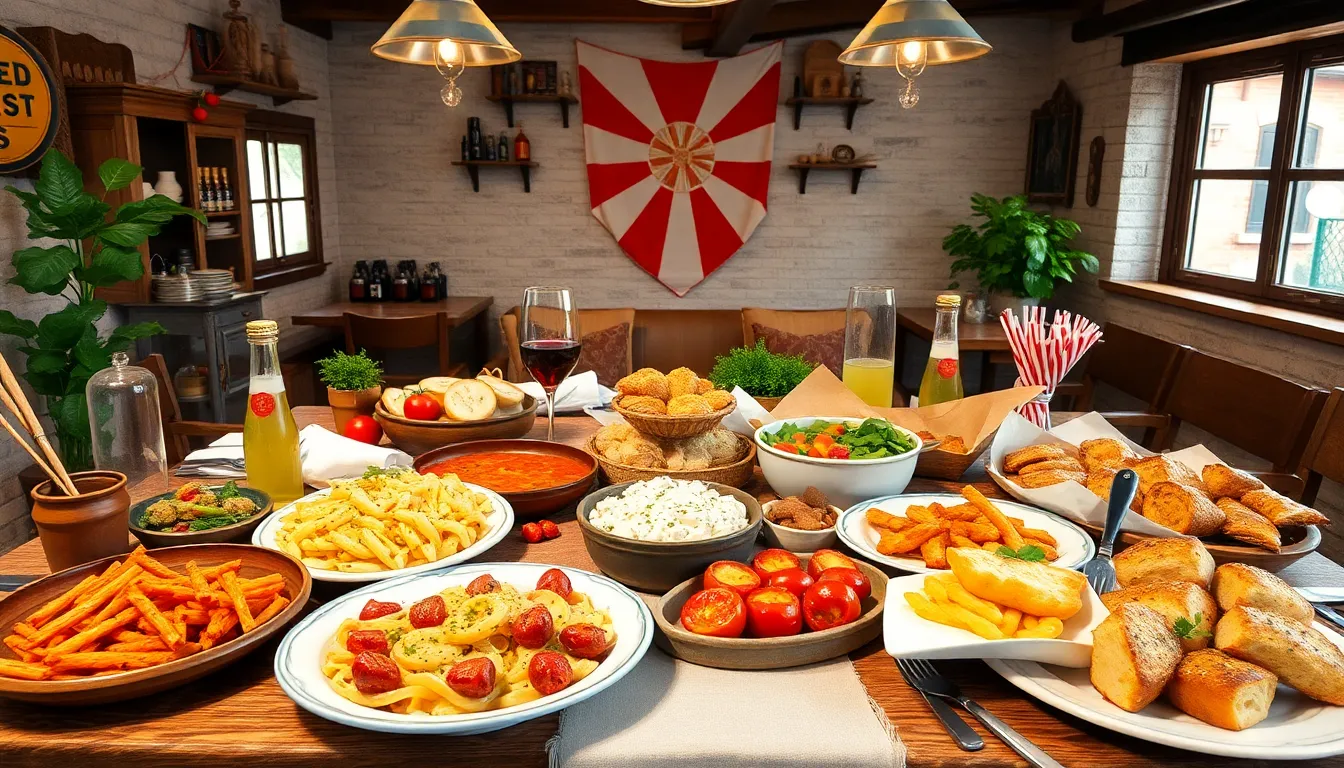
Dining rituals are deep-rooted parts of European food culture. Meals serve as communal gatherings, emphasizing the importance of family and friendship. In Italy, for example, extended lunches can stretch for hours, fostering connections. Germany features beer gardens, where locals enjoy traditional sausages and lively conversation.
Food influences extend beyond the plate. Diverse culinary terms and techniques often merge into new dining experiences. Fusion cuisine emerges in cities like London and Berlin, where chefs blend flavors from various cultures, creating innovative dishes. Seasonal ingredients play a vital role, aligning with sustainable practices observed across Europe.
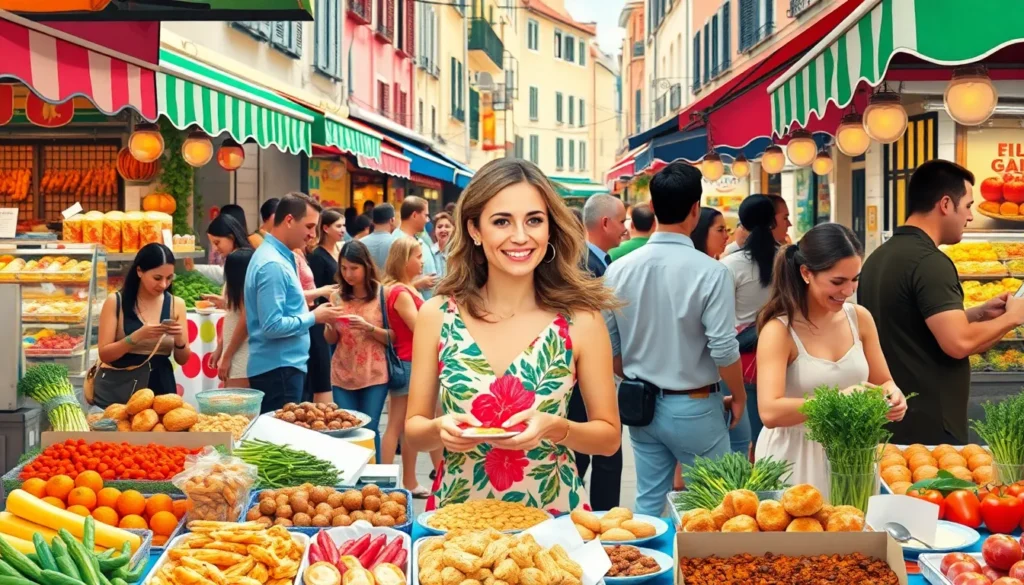
Street food reflects the grassroots of European culinary traditions. Popular markets in cities such as Barcelona and Lisbon offer authentic experiences, with vendors serving local specialties. Unique offerings range from crepes in France to falafel in urban centers.
Culinary education thrives throughout Europe. Renowned culinary schools in countries like France and Italy train aspiring chefs in both traditional and modern techniques. They contribute to the preservation and evolution of food culture, ensuring that recipes and skills survive through generations.
European food culture flourishes with diversity. Its rich flavors, shared rituals, and evolving traditions create a vibrant dining landscape shaped by history and innovation.
Regional Diversity in European Cuisine
Europe’s regional cuisine displays a magnificent variety of flavors and dishes influenced by geography, culture, and history. Each area contributes unique ingredients and traditions that reflect the local environment and history.
Southern Europe
Southern Europe features vibrant cuisine known for fresh ingredients and bold flavors. Countries like Spain thrive on tapas, offering small, shareable plates that encourage social dining. Italy stands out with pasta, risottos, and pizzas that vary dramatically by region. Greece impresses with its Mediterranean staples, such as olive oil, feta cheese, and fresh seafood, often incorporated in communal meals, emphasizing family ties.
Northern Europe
Northern Europe showcases heartier fare, where comfort food dominates the dining scene. Scandinavian countries focus on fresh fish, such as salmon and herring, often preserved through smoking or pickling. Denmark’s smørrebrød, or open-faced sandwiches, exemplify simple yet flavorful combinations. In Finland, rye bread plays a pivotal role, and traditional dishes like karjalanpiirakka feature rice or potato fillings, reflecting the region’s agricultural roots.
Eastern Europe
Eastern European cuisine is rich in history, showcasing diverse culinary traditions that reflect varying climates and cultural influences. Hungarian goulash, a robust stew made with paprika, exemplifies comforting meals. Poland’s pierogi offers delightful dumplings stuffed with various fillings like potatoes, cheese, or meat. Additionally, Russia’s borscht, a beet soup, emphasizes the use of seasonal vegetables, often accompanied by sour cream, enhancing flavor profiles.
Western Europe
Western Europe is a melting pot of culinary heritage. France stands out with its emphasis on technique and refinement, from delicate pastries to rich sauces. Belgium gains recognition for its beer and chocolate, with moules-frites (mussels and fries) as a signature dish. The UK highlights traditional fare like fish and chips, while also embracing modern gastronomy influenced by multiculturalism, showcasing an evolving food landscape.
Influences on European Food Culture
European food culture draws from various influences that shape its vibrant culinary landscape. Historical events and migration play essential roles in the evolution of diverse cuisines.
Historical Factors
Historical developments significantly shaped European cuisines. The Roman Empire introduced exotic ingredients and cooking techniques across its territories. The Middle Ages saw the arrival of spices from the East, enhancing flavor profiles. Additionally, regional conflicts led to the blending of culinary practices, creating unique regional dishes. Wars also prompted food shortages, influencing the use of available ingredients. Over centuries, these historical factors contributed to a rich tapestry of flavors and traditions.
Migration and Trade
Migration patterns directly impacted European food culture. Immigrants brought their culinary traditions, enriching local cuisines with new flavors and dishes. Trade routes facilitated the exchange of ingredients, such as tomatoes and peppers introduced from the Americas. Cities like London and Paris thrived as melting pots of food culture, where diverse culinary practices intersect. Markets became hubs for showcasing international foods, allowing locals to experience different cuisines without leaving home. This dynamic interplay between migration and trade continues to influence contemporary European dining.
Modern Trends in European Cuisine
Contemporary European cuisine reflects a blend of innovation and traditional influences. Fusion foods and sustainability practices showcase how chefs adapt and embrace evolving culinary landscapes.
Fusion Foods
Chefs in cities like London and Berlin excel at creating fusion foods that merge flavors from various cultures. Innovative dishes, such as sushi burritos and kimchi tacos, excite diners looking for unique experiences. Many European restaurants now experiment with exotic ingredients, blending Japanese techniques with Italian pastas and Moroccan spices. Diners enjoy a vibrant range of offerings, appealing to diverse palates. Culinary events and festivals also highlight this trend, allowing chefs to collaborate and share their creations.
Sustainability Practices
Sustainability practices play a vital role in modern European cuisine. Many restaurants prioritize local sourcing to reduce environmental impact and support local farmers. Seasonal ingredients, like asparagus in spring and apples in fall, enhance dishes while encouraging biodiversity. Initiatives focusing on zero-waste cooking can be found across Europe, with chefs finding creative ways to utilize every part of an ingredient. Additionally, urban gardening and rooftop farms contribute to fresh produce accessibility in cities. Overall, these practices promote a conscious dining experience that resonates with today’s environmentally aware consumers.
Conclusion
European food culture stands as a testament to the continent’s rich history and diverse influences. Each region offers unique flavors and traditions that reflect its heritage and innovation. The communal aspect of dining fosters connections among people, making meals more than just sustenance.
As culinary practices evolve, the rise of fusion cuisine and sustainable dining practices highlights a forward-thinking approach to food. Markets and restaurants across Europe continue to embrace local ingredients while celebrating global flavors. This dynamic culinary landscape not only preserves tradition but also invites new experiences, ensuring that European food culture remains vibrant and relevant in today’s world.