Vietnamese cuisine is a delightful dance of flavors that’ll make your taste buds do the cha-cha. With its vibrant herbs, fresh ingredients, and a pinch of history, each dish tells a story that’s as rich as the food itself. From the aromatic pho that warms the soul to the crispy banh xeo that’ll have you flipping for joy, this culinary journey is nothing short of an adventure.
Vietnamese Culture Food
Vietnamese food represents a vibrant tapestry of flavors and traditions. Fresh ingredients play a pivotal role in this cuisine, contributing to its character. Essential herbs, such as cilantro and mint, enhance the taste of various dishes. Each meal showcases a balance of textures and flavors, from the fragrant broth of pho to the crispy texture of banh xeo.
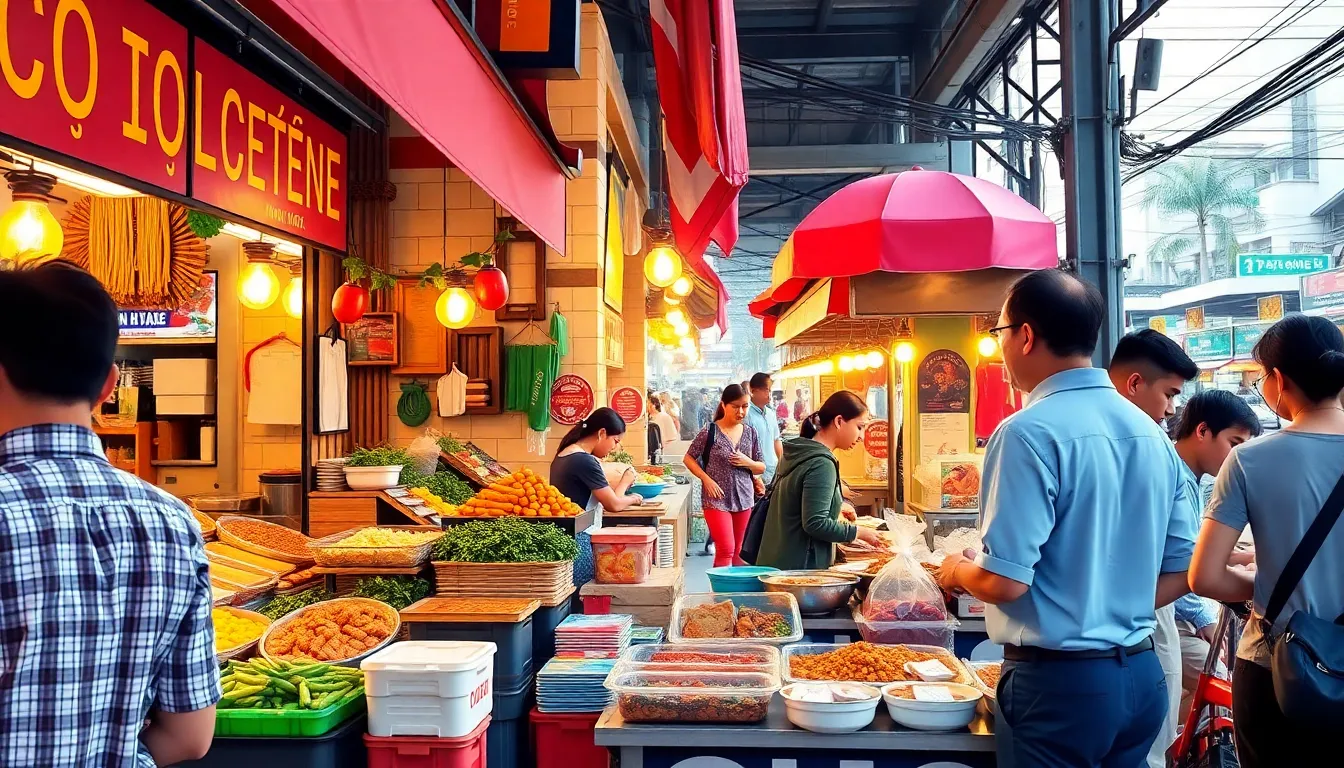
Street food stands as a hallmark of Vietnamese culinary culture. Locals often gather at market stalls, opting for dishes like bánh mì and spring rolls. Cultural influences shape the dishes, connecting regional specialties with historical narratives. For example, northern cuisine tends to favor rice and noodles, while southern dishes often highlight spices and tropical fruits.
Dining customs reflect communal values. Meals commonly include shared dishes, fostering unity among family and friends. The presentation of food carries significance, with fresh ingredients artfully arranged to entice the eyes before satisfying the palate.
Fermentation is another key aspect of this culture’s food. Popular items, such as nuoc mam (fish sauce) and pickled vegetables, demonstrate the importance of preservation techniques. Cooking methods vary widely, incorporating grilling, steaming, and stir-frying, ensuring a diverse culinary landscape.
Seasonality influences what’s on the table. Fresh produce aligns with local harvesting cycles, leading to unique seasonal dishes. The use of vibrant colors, fresh herbs, and bold flavors distinguishes Vietnamese cuisine on the global stage, making it increasingly popular worldwide.
Key Components of Vietnamese Cuisine
Vietnamese cuisine features essential components that contribute to its unique flavors and cultural significance.
Rice Dishes
Rice stands at the heart of Vietnamese cuisine. Steamed white rice serves as a staple, accompanying many meals. Dishes like cơm tấm showcase grilled pork and pickled vegetables atop broken rice. Sticky rice, or xôi, appears in both savory and sweet forms, often combined with ingredients such as mung beans or coconut. Regional varieties, like northern sticky rice with green peas, highlight local tastes.
Noodle Dishes
Noodles play a prominent role in Vietnamese meals. Pho, a signature dish, consists of broth, rice noodles, and various proteins, showcasing regional flavor variations. Bún, or vermicelli, works well in salads and stir-fries, pairing with fresh herbs and meats. Cuốn, or fresh spring rolls, wrap noodles and vegetables for a light meal. Each noodle dish reflects the freshness and balance central to Vietnamese cooking.
Street Food
Street food embodies the vibrancy of Vietnamese culinary culture. Vendors offer dishes like bánh mì, which consists of a baguette filled with meat, pickled vegetables, and herbs. Popular items include crispy spring rolls and savory crepes, providing locals and tourists alike with diverse snacking options. The communal atmosphere encourages sharing and enjoying food together. This lively street culture showcases the significance of food in Vietnamese society.
Regional Variations in Vietnamese Cuisine
Vietnamese cuisine reflects diverse regional influences, each offering unique flavors and ingredients. The country divides into three main areas: Northern, Central, and Southern Vietnam.
Northern Vietnam
Northern Vietnam emphasizes simplicity and freshness. Dishes feature rice and noodles as staples, with pho being a prime example. Local seafood and vegetables shine in dishes like cha ca, grilled fish with dill. Furthermore, flavors tend to be milder compared to other regions. This area often uses herbs like mint and cilantro, enhancing dishes without overpowering them. Steamed dishes and pickled vegetables serve as popular accompaniments. Emphasis on rice reflects local agriculture, where high-quality short-grain rice dominates meals.
Central Vietnam
Central Vietnam showcases bold and spicy flavors. This region is known for its use of chili and various herbs, influencing renowned dishes like bun bo Hue, a spicy beef noodle soup. Street food thrives in cities like Hue, with vendors offering specialties that merge flavors and textures. Rice-based dishes, such as cơm hến, highlight local ingredients like clams. Presentation holds importance as colorful garnishes decorate meals. Additionally, the culinary culture incorporates influences from imperial cuisine, making it distinct and varied. Hotpot and savory pancakes contribute to the region’s dynamic dining experience.
Southern Vietnam
Southern Vietnam prioritizes tropical ingredients and strong flavors. This region frequently showcases fresh produce, including fruits and vegetables, found in dishes like canh chua, a sweet and sour soup. Herbs such as basil and coriander brighten meals, enhancing taste profiles. Also, chefs focus on the balance of sweet, salty, and spicy flavors, creating harmony in dishes. Bánh mì and fresh spring rolls exhibit local street food culture, attracting both locals and tourists. A vibrant dining atmosphere encourages communal eating, where sharing dishes promotes social connections. Seasonal ingredients play a significant role in culinary traditions, reflecting the region’s agricultural richness.
Popular Vietnamese Dishes to Try
Vietnamese cuisine features an array of dishes that captivate taste buds with unique flavors and textures. Here are some iconic dishes to enjoy.
Pho
Pho stands out as a quintessential Vietnamese dish and consists of rice noodles served in a fragrant broth. It typically combines beef or chicken with fresh herbs, such as basil and cilantro, enhancing its flavor. Street vendors and restaurants specialize in various versions of pho, attracting locals and tourists alike. Landmarks like Pho Gia Truyen in Hanoi exemplify authentic tastes, making it a must-try.
Banh Mi
Banh mi represents a delicious fusion of French and Vietnamese influences. This iconic sandwich features a crunchy baguette filled with a mix of proteins, pickled vegetables, and fresh herbs. Options often include grilled pork, chicken, or tofu, topped with spicy chili sauce and mayonnaise for added richness. Popular spots like Banh Mi Phuong in Hoi An showcase this vibrant treat, making it a staple among food lovers.
Spring Rolls
Spring rolls showcase the freshness and versatility of Vietnamese cuisine. Traditionally, these rolls consist of rice paper wrapped around shrimp, vegetables, and herbs, served with a tangy dipping sauce. Variations include fried options filled with ground meat or vegetables, offering an exciting crunch. Locally, many street vendors prepare spring rolls fresh to order, illustrating their popularity and appeal.
Conclusion
Vietnamese cuisine offers a delightful journey through flavors and traditions that captivate food lovers around the globe. Its emphasis on fresh ingredients and vibrant herbs not only enhances the taste but also reflects a rich cultural heritage. The communal dining experience fosters connections among family and friends while showcasing the importance of sharing food.
As the popularity of Vietnamese dishes continues to rise, exploring its regional specialties reveals the depth and diversity of this culinary art. Whether savoring a bowl of pho or indulging in street food delights, every bite tells a story that resonates with both locals and visitors. Embracing Vietnamese food means experiencing a unique blend of history, culture, and flavor that leaves a lasting impression.