

Bosc pears are the unsung heroes of the fruit world, strutting their stuff with a unique shape and a flavor that’s a delightful mix of sweet and spicy. If you’ve ever bitten into one of these beauties, you know they pack a punch when it comes to taste. But what about their nutritional benefits? Spoiler alert: they’re not just a pretty face in the produce aisle.
Bosc Pear Nutrition
Bosc pears are a nutritious fruit packed with essential vitamins and minerals. They provide numerous health benefits while also satisfying taste buds.
Nutritional Profile
Bosc pears contain about 102 calories per medium fruit. They offer 0.5 grams of fat, 27 grams of carbohydrates, and 1 gram of protein. Each pear delivers 5.5 grams of dietary fiber, essential for digestive health. Bosc pears are rich in vitamin C, supplying 10% of the daily value. Additionally, this fruit includes potassium and antioxidants, which support overall wellness.
Health Benefits
Bosc pears support heart health due to their fiber content, helping to lower cholesterol levels. Antioxidants found in these pears reduce inflammation and protect cells from oxidative stress. Eating Bosc pears can enhance digestive health, thanks to their high fiber content. Hydration benefits arise from their high water content, which aids in skin health and energy levels. Overall, incorporating Bosc pears into meals boosts nutritional intake and promotes a healthy lifestyle.
Vitamins and Minerals in Bosc Pears
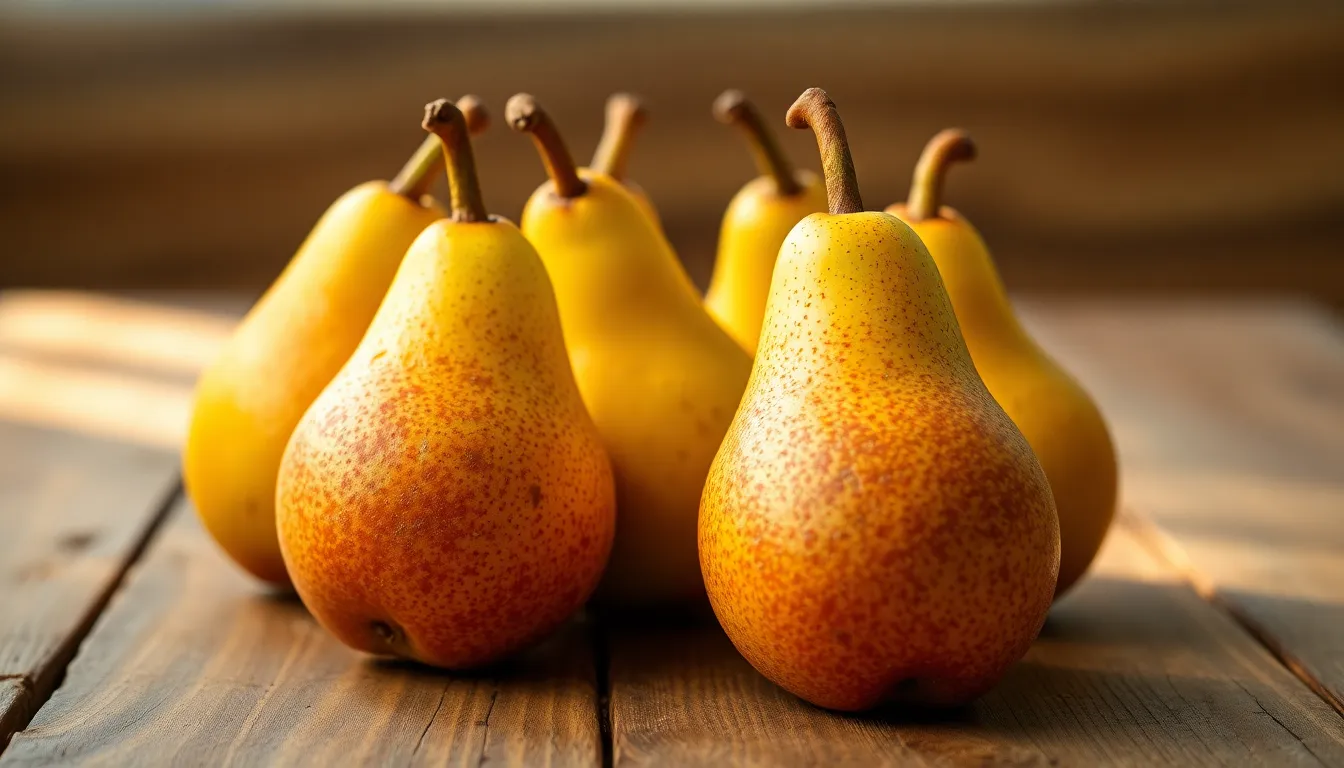
Bosc pears contain various vitamins and minerals that contribute to their nutritional value. Understanding these components highlights the health benefits they can provide.
Vitamin Content
Bosc pears are rich in vitamin C, which plays a crucial role in boosting the immune system. A medium-sized pear offers about 10% of the daily recommended intake for vitamin C. This essential vitamin also acts as an antioxidant, fighting free radicals and promoting skin health. Furthermore, Bosc pears contain small amounts of vitamin K, supporting proper blood clotting and bone health. Folic acid, another vitamin found in these pears, aids in cellular function and supports metabolic health.
Mineral Content
Potassium is a standout mineral in Bosc pears, essential for maintaining healthy blood pressure and proper muscle function. A single pear includes approximately 206 milligrams of potassium, contributing significantly to the daily intake goal of 2,500 to 3,000 milligrams. Calcium, though present in smaller amounts, supports bone and dental health. The combination of these minerals helps promote overall well-being and supports various body functions. Magnesium, also found in Bosc pears, supports muscle and nerve function, making this fruit a nutritious choice.
Dietary Fiber and Its Importance
Bosc pears are an excellent source of dietary fiber, contributing significantly to overall nutrition and health. With 5.5 grams of fiber per medium pear, they support various bodily functions crucial for well-being.
Daily Fiber Recommendations
For adults, daily fiber recommendations vary by age and gender. Women should aim for about 25 grams per day, while men require around 38 grams. Incorporating Bosc pears into a diet can help individuals meet these targets easily, as just one medium pear provides a substantial portion of the daily intake.
Effects on Digestion
Dietary fiber from Bosc pears plays a vital role in digestive health. Soluble fiber aids in regulating bowel movements and preventing constipation. In addition, it promotes a healthy gut environment by serving as food for beneficial bacteria, enhancing overall gut flora. Regular consumption of fiber-rich fruits like Bosc pears can improve digestion and contribute to a more comfortable and efficient digestive process.
Antioxidants and Phytonutrients
Bosc pears contain various antioxidants and phytonutrients that contribute significantly to their health benefits. These compounds play a crucial role in combating oxidative stress in the body.
Types of Antioxidants
Bosc pears are rich in several types of antioxidants, including flavonoids, phenolic acids, and vitamin C. Flavonoids, such as quercetin and catechins, help protect cells from damage caused by free radicals. Phenolic acids, meanwhile, offer additional protective effects and promote overall cellular health. Vitamin C, an important water-soluble antioxidant, supports the immune system while neutralizing harmful oxidative molecules. These antioxidants work synergistically, enhancing each other’s effectiveness.
Health Impacts of Antioxidants
The presence of antioxidants in Bosc pears leads to several health impacts. Regular consumption of antioxidant-rich foods helps reduce the risk of chronic diseases such as heart disease, diabetes, and certain cancers. By lowering inflammation levels, these antioxidants contribute to improved cardiovascular health. Antioxidants also play a role in skin protection, potentially reducing signs of aging and damage from UV exposure. Including Bosc pears in the diet supports a healthier lifestyle, providing essential protection at the cellular level.
Conclusion
Bosc pears are a nutritious addition to any diet. Their unique flavor and impressive nutrient profile make them a standout choice for health-conscious individuals. With their high fiber content and rich supply of vitamins and minerals they support various aspects of health from digestion to heart function. Incorporating Bosc pears into meals or snacks not only enhances flavor but also contributes to overall wellness. By choosing these delicious fruits regularly one can enjoy both their taste and health benefits.