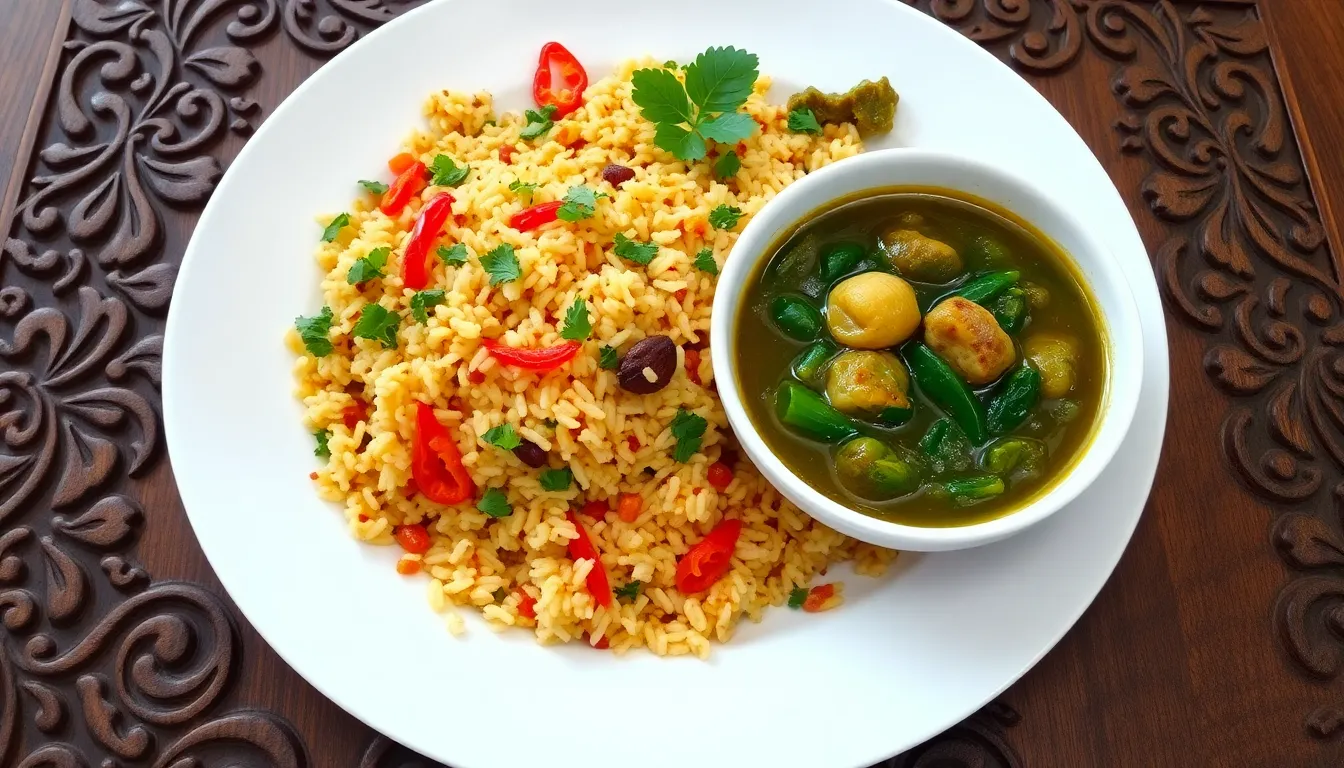
Nigerian food culture is a vibrant tapestry of flavors, colors, and traditions that’ll make your taste buds do a happy dance. From the spicy jollof rice that sparks debates over who makes it best to the rich, savory egusi soup that warms the soul, every dish tells a story steeped in history and community.
Food Nigerian Culture
Food acts as a vital aspect of Nigerian culture, showcasing the nation’s diversity through its wide variety of ingredients and cooking techniques. Each region offers distinct flavors, from the spicy stews of the north to the seafood dishes found along the coast. Culinary traditions emphasize communal dining, with families and friends often gathering to enjoy meals together, fostering strong social bonds.
Jollof rice remains one of the most celebrated dishes, characterized by its rich, tomato-based sauce and spices. Friendly debates about who makes the best jollof rice frequently arise, showcasing regional pride in culinary skills. Egusi soup, made from ground melon seeds, brings comfort and richness to the table, often served with pounded yam or fufu.
Street food culture thrives throughout Nigerian cities, featuring popular snacks such as suya, a spicy meat skewer enjoyed by many. Puff-puff, a sweet fried dough, adds to the vibrant street food scene, appealing to different palates.
Additionally, traditional celebrations and festivals highlight the importance of food in Nigerian culture. These events often feature a range of dishes, promoting a sense of community and cultural heritage.
Overall, the rich tapestry of food in Nigeria reflects a blend of flavors, traditions, and social connections, making it an integral part of the country’s identity. Each dish tells a story, contributing to the nation’s vibrant culinary heritage.
Traditional Nigerian Dishes
Traditional Nigerian dishes showcase the country’s rich culinary diversity. Each meal reflects local ingredients, cooking styles, and cultural significance.
Jollof Rice
Jollof rice stands as one of Nigeria’s most beloved dishes. This flavorful rice is cooked in a spicy tomato sauce, often containing peppers, onions, and a blend of spices. Variations differ by region, primarily the inclusion of ingredients like chicken, fish, or vegetables. Competitions to determine the best jollof rice recipe have become popular, fostering pride among families and chefs. Enjoyed at celebrations and gatherings, jollof rice symbolizes community and festivity. The dish’s vibrant color and rich taste create an unforgettable experience for diners.
Egusi Soup
Egusi soup represents a staple in Nigerian cuisine, renowned for its hearty texture and rich flavor. Ground melon seeds serve as the main ingredient, thickening the soup and imparting a nutty taste. Cooked with leafy vegetables, meat, or fish, this dish offers a balanced blend of nutrients. Typically served with pounded yam or fufu, egusi soup enhances communal dining experiences. Its preparation often includes a variety of spices, elevating the flavor profile. Families frequently pass down recipes, making egusi soup a cherished tradition. The combination of ingredients reflects Nigeria’s agricultural abundance and culinary heritage.
Regional Variations in Nigerian Cuisine
Nigerian cuisine showcases diverse regional flavors and ingredients, reflecting the country’s rich cultural landscape.
Northern Nigeria
Northern Nigeria’s culinary offerings blend influences from Fulani, Hausa, and Kanuri cultures. Dishes such as suya, spicy meat skewers, exemplify street food culture, drawing locals and tourists alike. Another staple, jollof rice, varies in taste, often including beef or goat, highlighting northern preferences. Additionally, tuwo, a thick maize or millet porridge, serves as a common accompaniment to rich stews like miyan kuka. This rich array of flavors promotes communal dining, where families gather to enjoy meals together.
Southern Nigeria
Southern Nigeria features a vibrant food scene, characterized by rich, spicy flavors and an emphasis on seafood. Dishes like pepper soup highlight the region’s penchant for heat, often incorporating fish or goat meat. Jollof rice from the south offers variations with shrimp or chicken, showcasing local ingredients. Further, egusi soup, made from ground melon seeds, pairs well with pounded yam or fufu, making it a popular choice during communal meals. Street vendors provide access to snacks like puff-puff and akara, fostering social connections within neighborhoods.
The Role of Food in Nigerian Celebrations
Food plays a crucial role during celebrations in Nigeria, enhancing communal joy and cultural significance. Various occasions call for specific dishes that embody traditions and signify togetherness.
Weddings and Festivals
Weddings in Nigeria showcase an extravagant display of food, emphasizing communal dining. Couples typically serve jollof rice, egusi soup, and assorted meat dishes, with food representing abundance and hospitality. Guests often partake in large platters, fostering bonding and celebration. Festivals further highlight this culinary richness, featuring local delicacies that reflect regional specialties. Popular dishes during festivals include pepper soup, which warms the heart, and moi moi, a steamed bean pudding that invites guests to share in the festivities. Each dish tells a story, reinforcing cultural identity and connections.
Religious Celebrations
Religious celebrations in Nigeria integrate food as a central element of worship and community. During Christmas, families prepare special meals, often including rice dishes, chicken, and various soups to celebrate togetherness. During Ramadan, the breaking of fast includes diverse offerings like fruit, rice, and meat dishes, bringing families together in prayer and fellowship. Food serves as a medium for sharing blessings and nurturing relationships. Also, important ceremonies such as naming ceremonies highlight the importance of food, often featuring rich stews and local delicacies. These moments encourage collective appreciation for cultural traditions and strengthen communal bonds.
Modern Influences on Nigerian Food
Modern influences shape Nigerian food culture significantly, blending traditional recipes with contemporary trends. Globalization introduced diverse ingredients and cooking styles, enhancing and transforming age-old dishes. Certain urban areas now embrace fusion cuisine, where traditional Nigerian flavors blend with international tastes.
Social media platforms play a vital role in promoting Nigerian cuisine, with food bloggers and influencers sharing recipes and culinary experiences. This exposure fosters an appreciation for local dishes, inviting a global audience to explore Nigeria’s rich culinary landscape. Additionally, international restaurants often feature Nigerian dishes, creating new spaces for cultural exchange.
Migration contributes to this culinary evolution, bringing flavors from the diaspora back to Nigeria. By integrating ingredients like quinoa or avocado into traditional recipes, chefs innovate while maintaining cultural roots. Youth culture also drives experimentation, encouraging younger generations to reimagine classic dishes and experiment with new cooking techniques.
Technology advances, such as food delivery apps, affect how Nigerians access different cuisines. Groups often share meals sourced from various eateries, promoting a sense of community and variety within dining experiences. Environmental awareness has also emerged, leading to a focus on sustainable practices, with sourcing local ingredients becoming increasingly popular.
Moreover, increased interest in health and wellness influences food choices, prompting many to adapt recipes for healthier alternatives. Traditional dishes undergo modifications, with options for gluten-free or plant-based diets gaining traction. Events celebrating Nigerian cuisine, like food festivals and cooking competitions, showcase these modern influences while honoring heritage.
These factors contribute to a dynamic food culture in Nigeria, reflecting changing societal norms and global interactions. The result is a vibrant culinary scene that maintains historical significance while embracing innovation and diversity.
Conclusion
Nigerian food culture embodies a vibrant tapestry of flavors and traditions that reflect the nation’s rich heritage. From the communal joy of sharing jollof rice at celebrations to the comforting embrace of egusi soup, each dish tells a unique story. The interplay of regional ingredients and cooking techniques showcases the diversity that defines Nigeria.
As modern influences continue to shape culinary practices, the essence of traditional dishes remains intact. The evolution of food culture, driven by globalization and social media, invites a new generation to appreciate Nigeria’s culinary landscape. Ultimately, Nigerian cuisine stands as a testament to community, identity, and the enduring bonds forged through shared meals.