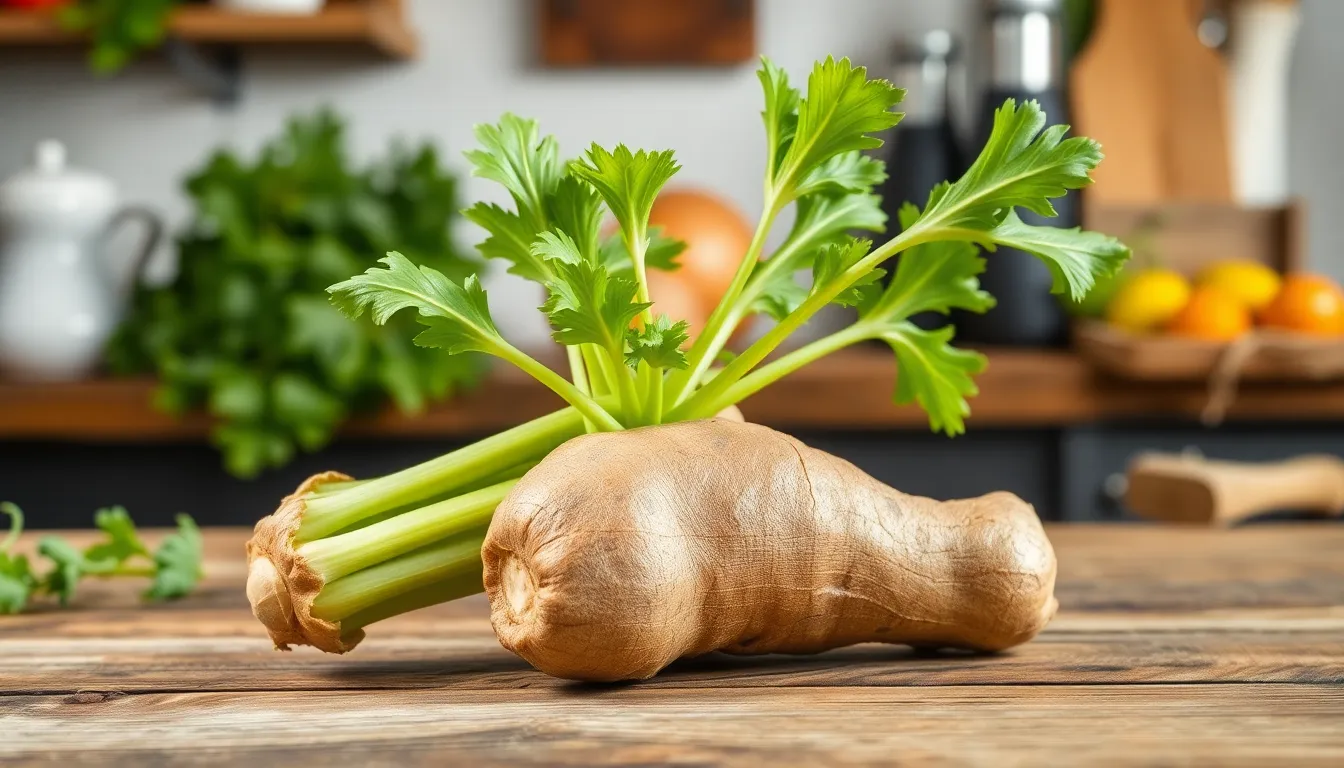
Celery root, or celeriac, might not win any beauty contests, but it’s got a personality that packs a punch! This knobby vegetable is often overlooked in favor of its more glamorous cousins, but it’s time to give celery root the spotlight it deserves. With its unique flavor and impressive nutritional profile, it’s a secret weapon for health enthusiasts and foodies alike.
Celery Root Nutrition
Celery root, or celeriac, offers a wealth of nutritional benefits. This root vegetable is low in calories, providing only 42 calories per 100 grams. High in dietary fiber, it contains approximately 1.8 grams per serving, aiding in digestive health.
Rich in vitamins, celery root includes significant amounts of vitamin K, which plays a role in bone health and blood coagulation. A serving provides around 37% of the recommended daily intake. Moreover, it supplies vitamin C, essential for immune function, with about 9% of the daily requirement in a standard serving.
Packed with minerals, celery root contains potassium, crucial for heart health and regulating blood pressure. A 100-gram serving offers around 16% of the daily value. Additionally, it includes smaller amounts of magnesium and calcium, both important for overall body function.
Antioxidants present in celery root contribute to its health-promoting properties. Phenolic compounds, such as caffeic acid, help combat oxidative stress and inflammation. These compounds enhance overall well-being and may reduce the risk of chronic diseases.
Incorporating celery root into the diet can provide substantial health benefits. It’s versatile and can be consumed raw in salads or cooked in various dishes. The unique taste adds depth to meals, making it a desirable ingredient for culinary enthusiasts.
With its impressive nutrient profile, celery root deserves a prominent place in healthy diets.
Nutritional Profile of Celery Root
Celery root offers an impressive array of nutrients that support overall health. It stands out for its rich content of vitamins and minerals.
Vitamins and Minerals
Celery root contains significant amounts of vitamin K, essential for blood clotting and bone health. High levels of vitamin C support immune function and promote skin health. Notably, it provides potassium, which aids in maintaining healthy blood pressure levels. Magnesium plays a crucial role in various biochemical reactions, while calcium offers benefits for bone strength. Beyond these, celery root also contains trace minerals like phosphorus and B vitamins, including folate, which contribute to energy metabolism.
Macronutrients
Low in calories, celery root fits well into calorie-conscious diets. Each 100 grams contains about 42 calories, making it an appealing option. Rich in dietary fiber, it promotes digestive health and helps maintain satiety between meals. Carbohydrates constitute a primary macronutrient, with around 9 grams per 100 grams, offering a moderate energy source. Very little fat content enhances its appeal for health-focused consumers. These attributes position celery root as a valuable component of a balanced diet.
Health Benefits of Celery Root
Celery root offers numerous health benefits, primarily due to its rich nutritional profile and unique compounds. Health enthusiasts can appreciate its contributions to overall wellness.
Antioxidant Properties
Antioxidant properties play a crucial role in celery root’s health benefits. Celery root contains phenolic compounds that combat oxidative stress. These compounds help neutralize free radicals in the body, reducing potential damage to cells. Research indicates that antioxidants can support overall health by lowering inflammation levels. Including celery root in meals can provide these protective effects while improving nutrient intake.
Digestive Health
Digestive health improves significantly with the consumption of celery root. High dietary fiber content promotes regular bowel movement and prevents constipation. Fiber acts as a prebiotic, feeding beneficial gut bacteria and improving gut microbiome health. A consistent intake of fiber supports satiety and can aid in weight management. Celery root also encourages digestive enzymes, enhancing nutrient absorption during digestion.
Culinary Uses of Celery Root
Celery root, or celeriac, offers versatile culinary applications. It enhances dishes with its distinct flavor, contributing to a variety of meals.
Preparation Techniques
Preparing celery root requires a few simple steps. First, peel the rough exterior with a vegetable peeler or knife. Next, cut it into cubes, strips, or slices based on the recipe. Cooking methods vary and include roasting, boiling, and mashing. Roasting caramelizes the natural sugars, while boiling results in a tender texture. Mashing blends well with potatoes for a creamy mash. Raw celery root adds crunch to salads, refreshing dishes with its crispness.
Recipes Featuring Celery Root
Several recipes showcase celery root in delightful ways. Puréed celery root soup highlights its creamy texture, complemented by spices and aromatics. Celery root gratin layers thinly sliced pieces with cheese for a comforting side dish. Another option includes celery root slaw, which combines shredded root with dressing and herbs for a vibrant salad. Additionally, roasting whole celery root drizzled with olive oil brings out its earthy flavor. Each recipe encourages creativity and invites experimentation in the kitchen.
Potential Risks and Considerations
Celery root may pose certain risks and considerations for some individuals. Allergies to celery occur in a small percentage of the population, leading to symptoms such as skin rashes, swelling, or difficulty breathing. Those with known sensitivities should avoid consuming celery root to prevent adverse reactions.
In addition, people taking anticoagulant medications must recognize the high vitamin K content in celery root. Vitamin K intake may interfere with the efficacy of such medications, requiring careful monitoring of dietary sources. It’s crucial for these individuals to consult healthcare providers regarding their celery root consumption.
Moreover, fiber is another point of consideration. While dietary fiber promotes digestive health, sudden increases in fiber intake can lead to bloating, gas, or abdominal discomfort. Gradually introducing celery root into the diet can help mitigate these symptoms.
Those with kidney conditions should also note the potassium levels present in celery root. High potassium intake may strain kidney function, making moderation essential. Patients should discuss any dietary changes with their healthcare team to ensure safety.
Finally, proper preparation and cooking methods are important. Raw celery root may harbor bacteria or parasites, so it’s advisable to wash and cook it thoroughly. Cooking not only improves taste but also enhances digestibility.
By taking these considerations into account, individuals can enjoy the health benefits of celery root while minimizing potential risks.
Conclusion
Celery root is a nutritional powerhouse that offers a wealth of health benefits. Its low calorie count combined with high dietary fiber makes it an excellent choice for those looking to maintain a healthy lifestyle. Rich in essential vitamins and minerals it supports various bodily functions while providing antioxidant properties that combat oxidative stress.
Incorporating celery root into meals not only enhances flavor but also boosts nutritional value. With its versatility in the kitchen it invites culinary creativity. By being mindful of potential allergies and health considerations individuals can safely enjoy this unique vegetable. Embracing celery root can lead to a healthier diet and a more adventurous palate.