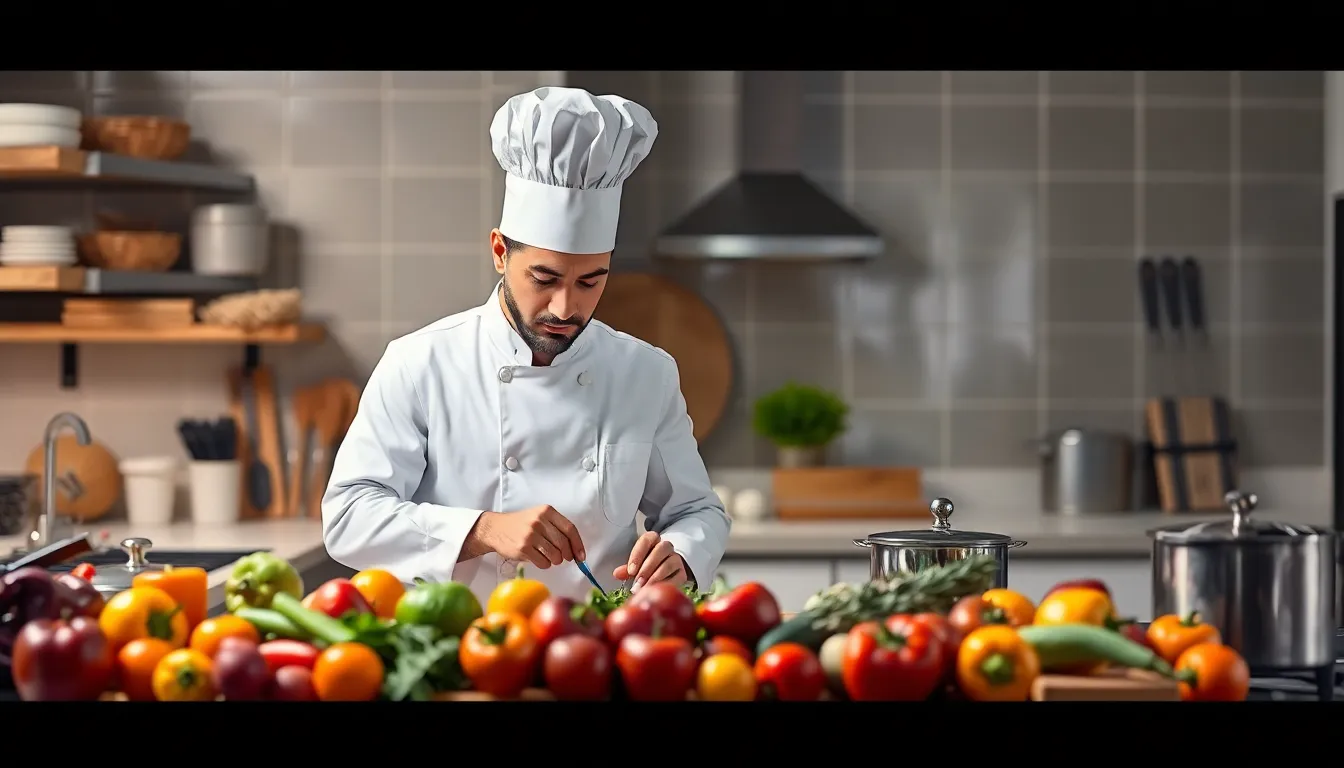
Culinary science isn’t just for the food nerds in lab coats; it’s the secret sauce that elevates cooking from ordinary to extraordinary. Imagine transforming your kitchen into a laboratory where flavors dance and ingredients become the stars of the show. Whether you’re a seasoned chef or a microwave magician, understanding the science behind cooking can turn your meals into masterpieces that would make even Gordon Ramsay nod in approval.
Culinary Science
Culinary science merges cooking techniques with scientific principles, elevating the art of cooking into a systematic discipline. This field focuses on understanding the chemistry of food, exploring how various ingredients interact, and identifying methods for optimizing flavors and textures.
Definition and Scope
Culinary science involves the study of food preparation and flavor development using scientific methods. It encompasses various disciplines including food chemistry, nutrition, and food safety. Professionals in this field analyze ingredients, experiment with cooking methods, and innovate recipes. They also apply cooking techniques in controlled environments, helping chefs understand the underlying principles of their craft. Through exploration and experimentation, culinary scientists contribute to the advancement of gastronomy, ensuring a deeper comprehension of culinary practices.
Importance in Modern Cuisine
Modern cuisine relies heavily on culinary science to enhance dishes and improve cooking methods. The application of scientific principles leads to better flavor pairings and precise cooking techniques. Chefs leverage knowledge from this field to create textures that appeal to diners. Equipment advancements, such as sous-vide cooking, stem from culinary scientific research and promote consistency in food preparation. Additionally, understanding food safety and nutrition is crucial, ensuring dishes are both enjoyable and healthy. As culinary science continues to evolve, it plays a vital role in shaping how food is prepared, served, and appreciated globally.
Key Principles of Culinary Science
Culinary science relies on key principles that enhance cooking. Two vital principles are flavor pairing and cooking techniques.
Flavor Pairing
Flavor pairing involves combining ingredients that complement each other. Understanding the science behind flavor interactions allows cooks to create stunning dishes. For example, salty ingredients often balance sweet flavors. Additionally, acidity can brighten rich elements. Data from food scientists reveal most successful pairings stem from shared flavor compounds. Exploring flavor profiles encourages chefs to experiment boldly in their kitchens. Knowledge of traditional and innovative pairings can transform basic recipes into culinary delights.
Cooking Techniques
Cooking techniques form the backbone of culinary science. These methods determine how heat interacts with food, affecting texture and taste. Techniques such as poaching, roasting, and sautéing each offer unique outcomes. Precision in temperature control often enhances results, ensuring optimal cooking for various ingredients. Research shows sous-vide cooking maintains moisture and improves tenderness. Combining tools like thermometers with traditional practices enhances overall efficiency. Chefs who refine their techniques can elevate cooking from simple meals to gourmet experiences.
The Role of Chemistry in Cooking
Chemistry plays a crucial role in the culinary arts, influencing everything from flavor development to texture optimization.
Ingredients Interaction
Understanding how ingredients interact creates a foundation for effective cooking. Proteins, for instance, denature when exposed to heat, altering their structure and enhancing flavors. Acids can help tenderize meats, leading to improved texture. Sugar and fat combination in baking affects moisture, creating desired crumb structures. Additionally, spices release aromatic compounds upon heat application, profoundly impacting the dish’s overall taste. Comprehending these interactions allows chefs to make informed decisions, transforming simple ingredients into complex and appealing dishes.
Chemical Reactions During Cooking
Chemical reactions during cooking greatly enhance flavor and food safety. Maillard reaction occurs when proteins and sugars react under heat, producing complex flavors and browning effects. Caramelization involves sugar breakdown at high temperatures, resulting in rich, sweet flavors iconic in desserts. Fermentation processes, utilized in bread-making or pickling, produce unique tastes and add nutritional value. Each reaction influences food sensory properties, making knowledge of these processes essential for culinary innovation. Embracing chemistry empowers chefs to explore new techniques and refine traditional recipes for outstanding culinary creations.
Innovations in Culinary Science
Innovations in culinary science continually reshape how food is prepared and experienced. Through advanced techniques and tools, chefs elevate culinary artistry.
Molecular Gastronomy
Molecular gastronomy revolutionizes cooking by applying scientific methods to food preparation. It enhances textures and flavors while utilizing techniques like spherification and emulsification. Spherification, for instance, creates liquid-filled spheres, transforming traditional presentations. Emulsification allows for innovative sauces, pairing oils and liquids into delightful combinations. Researchers and chefs collaborate to explore how temperature and pH influence food properties, leading to unique gastronomic innovations. As chefs embrace this approach, they blend science with creativity, resulting in extraordinary dining experiences.
Technology in Cooking
Technology plays a pivotal role in modern cooking, enhancing efficiency and precision. Sous-vide equipment, for instance, allows cooks to achieve perfect doneness through precise temperature control. Smart kitchen appliances streamline meal preparation, providing users with step-by-step guidance. Innovative tools, like temperature probes, give real-time cooking data, ensuring optimal results. High-tech gadgets also facilitate meal planning and ingredient tracking, promoting both organization and creativity in the kitchen. As a result, culinary professionals embrace technology to elevate their craft and enhance overall dining experiences.
Culinary Science Education
Culinary science education equips individuals with essential knowledge and skills in cooking and food science. This field includes various academic programs that blend culinary arts with scientific principles.
Academic Programs and Courses
Culinary science programs are typically offered at community colleges and universities. Associate, bachelor’s, and master’s degrees provide a comprehensive understanding of food chemistry, nutrition, and cooking techniques. Specialized courses cover topics like food safety and advanced cooking methods, emphasizing hands-on experience in kitchen labs. Institutions like The Culinary Institute of America and Johnson & Wales University offer respected programs. Graduates often pursue careers as chefs, food scientists, or culinary educators.
Online Learning Resources
Online learning resources provide flexible options for aspiring culinary scientists. Platforms like Coursera and Udemy offer courses that cover essential culinary theories and techniques. Video tutorials allow learners to observe and replicate professional cooking methods at their own pace. Websites such as America’s Test Kitchen and Serious Eats feature instructional content focused on flavor pairing and recipe development. Access to virtual classes and forums fosters a community of culinary enthusiasts eager to share experiences and tips.
Conclusion
Culinary science is more than just a trend; it’s a transformative approach to cooking that blends art with scientific understanding. By embracing this discipline, chefs and home cooks alike can unlock new flavors and techniques that elevate their culinary creations. The fusion of knowledge and creativity in the kitchen encourages experimentation and innovation.
As culinary science continues to evolve, it shapes the future of food preparation and appreciation. With advancements in technology and a deeper understanding of food chemistry, the possibilities are endless. Whether through formal education or self-directed learning, anyone can harness the power of culinary science to enhance their cooking journey and impress diners with extraordinary meals.