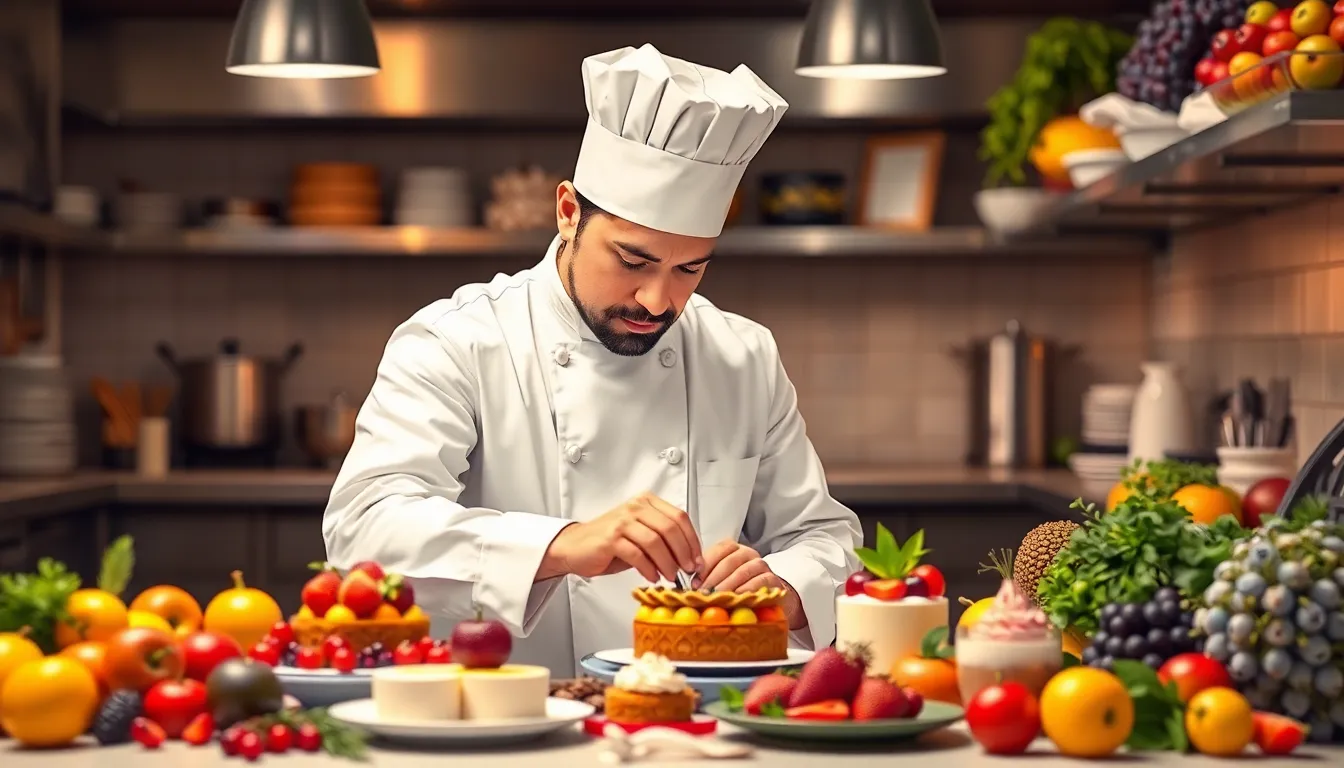
In the vibrant world of culinary arts, specialties are the secret sauces that elevate ordinary dishes to extraordinary experiences. From the delicate dance of pastry chefs crafting mouthwatering desserts to the bold flavors of ethnic cuisines, each specialty tells a unique story. It’s like a culinary rollercoaster ride where every twist and turn tantalizes the taste buds and leaves diners craving more.
Culinary Arts Specialties
Culinary arts specialties encompass a wide range of techniques and flavors, each contributing to diverse dining experiences. Chefs often specialize in particular cuisines, enabling them to master unique flavors and presentations. Pastry chefs focus on creating delicate desserts, blending art and technique to produce visually stunning and delicious treats.
Ethnic cuisines bring vibrant spices and traditions, with chefs dedicated to showcasing these culinary heritages. Italian pasta, Indian curry, and Japanese sushi exemplify how cultural roots shape cooking methods and flavors. Regional specialties highlight local ingredients, offering fresh and seasonal options in menus.
Within the realm of culinary arts, techniques vary significantly. Sous vide cooking provides precision, while grilling emphasizes smoky flavors. Each method contributes distinct textures and tastes to dishes. Equally important, gourmet cooking often elevates simple ingredients into intricate presentations, attracting food enthusiasts.
Another aspect is the fusion of culinary specialties, which blends elements from different cuisines. This approach encourages creativity, yielding innovative dishes that surprise and delight diners. Examples include spicy Asian tacos and Mediterranean pizzas, showcasing the potential for collaboration in the kitchen.
Baking also plays a critical role in culinary specialties, ranging from artisan breads to elaborate cakes. The baking process involves precise measurements and timing, ensuring consistent results. Artisan bakers focus on traditional methods, emphasizing quality and craftsmanship.
Overall, culinary arts specialties reflect individual creativity and cultural influences. Each specialty brings a unique narrative to the plate, enriching the dining experience and creating memorable moments for all who partake.
Types of Culinary Arts Specialties
Culinary arts specialties encompass a wide range of techniques and cuisines. Each specialty contributes to the overall culinary landscape, offering diverse experiences for diners.
Baking and Pastry Arts
Baking and pastry arts focus on creating a variety of baked goods, including breads, pastries, and desserts. Artisan bakers emphasize traditional methods, resulting in high-quality products. Techniques such as lamination foster flaky layers in croissants, while precise temperature control is crucial for perfecting cakes. Pastry chefs often experiment with textures and flavors in their creations. Exotic ingredients like matcha or lavender can add unique twists to classic recipes. Overall, baking transforms simple ingredients into delicious art.
Culinary Nutrition
Culinary nutrition blends cooking skills with nutrition science to promote healthy eating. Chefs and nutritionists collaborate, ensuring meals are both tasty and nutritious. This specialty emphasizes whole foods, minimizing processed ingredients. Incorporating seasonal vegetables and lean proteins fosters health-conscious dining. Educating diners about the nutritional value of each dish enhances their experience. Additionally, culinary nutrition caters to special dietary needs, such as gluten-free and vegan options. Chefs aim to balance flavors and health benefits in every meal.
International Cuisines
International cuisines celebrate the rich tapestry of global culinary traditions. Chefs specializing in ethnic dishes master unique flavors and techniques from various cultures. Italian pasta showcases regional ingredients, while Indian curry offers aromatic spice blends. Japanese sushi reflects meticulous preparation and presentation. Regional dishes tell stories of culture and heritage, enhancing dining exploration. Fusion cuisine blends elements from different traditions, creating innovative dishes such as Korean BBQ tacos. Each international specialty invites diners to experience unique culinary journeys.
Skills Required for Culinary Arts Specialties
Culinary arts specialties demand a blend of technical skills and creativity. Mastering essential techniques and presentation is crucial for success in this field.
Culinary Techniques
Effective cooks rely on a broad range of culinary techniques. Techniques such as sautéing, roasting, and baking form the foundation of any specialty. Sous vide enables precise temperature control, enhancing flavors and textures. Alternatively, grilling imparts unique charred notes and aromas. Skills in knife handling ensure efficient and safe food preparation, cutting consistently and accurately. Also, understanding food safety practices is essential, preventing contamination and ensuring hygiene. Knowledge of various cuisines expands a chef’s ability to create diverse dishes, incorporating distinct ingredients and cooking styles.
Presentation Skills
Artful presentation enhances the dining experience significantly. Attention to detail plays a vital role in plating, balancing colors and textures. Understanding the principles of design helps chefs create visually striking dishes. Creative garnishing techniques elevate a dish, showcasing culinary skills and enhancing visual appeal. Moreover, knowledge of table settings and arrangements contributes to an overall impression. Engaging presentations entice diners, making meals memorable and enjoyable. Practicing these skills continually leads to refinement and mastery in this essential aspect of culinary arts.
Career Opportunities in Culinary Arts Specialties
Culinary arts specialties offer diverse career paths that attract many passionate individuals. These roles often emphasize creativity and expertise, making them essential for anyone interested in the culinary field.
Chef Roles
Chef positions vary widely, encompassing areas such as executive chefs, sous chefs, and line cooks. Executive chefs oversee kitchen operations, managing staff and menu planning. Sous chefs support the executive chef, focusing on food preparation and line management. Line cooks prepare meals according to specific recipes, ensuring consistency and quality. Specialty chefs may concentrate on areas like pastry, grilling, or ethnic cuisines, perfecting their craft. Opportunities also exist in catering, where chefs create customized menus for events. Each role contributes significantly to the overall dining experience, showcasing individual talents and culinary knowledge.
Food Styling and Photography
Food styling involves arranging dishes to enhance their visual appeal, essential for marketing and presentations. Food stylists manipulate colors and textures, focusing on elements that catch the eye. They collaborate closely with photographers to capture enticing images. Photography skills help create compelling food visuals for restaurants, cookbooks, and social media. This field combines creativity and technical expertise, inviting professionals to explore new trends in cuisine presentation. Culinary arts specialties in food styling and photography can significantly influence a restaurant’s branding, attracting customers through visually stunning imagery.
Conclusion
Culinary arts specialties play a vital role in shaping the dining landscape. They offer a blend of tradition and innovation that not only satisfies the palate but also tells a story. Each dish crafted by skilled chefs reflects a unique cultural heritage and showcases the artistry involved in food preparation.
As culinary enthusiasts explore various specialties, they discover the rich tapestry of flavors and techniques that elevate their culinary experiences. From the delicate creations of pastry chefs to the bold spices of ethnic cuisines, the world of culinary arts is a celebration of creativity and passion. Embracing these specialties not only enriches personal dining experiences but also fosters a deeper appreciation for the culinary world.