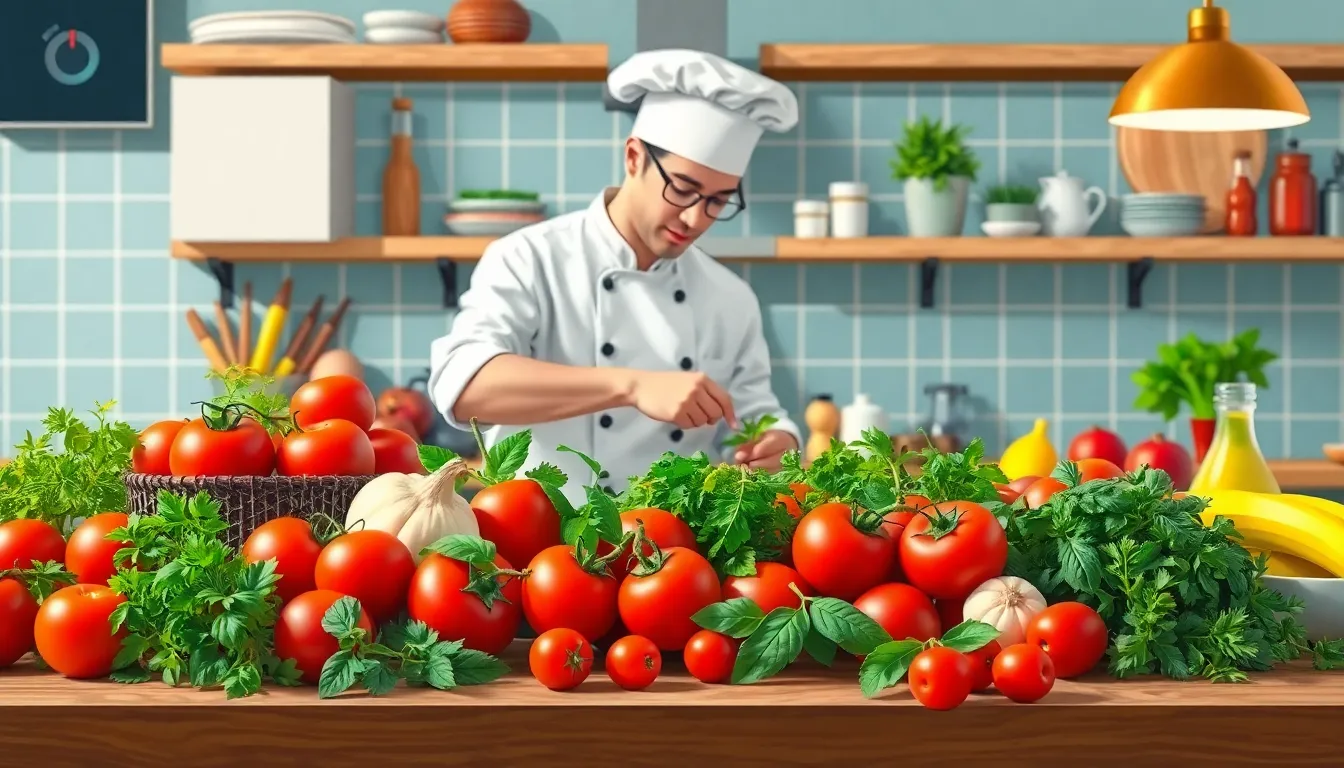
Culinary arts is more than just a fancy term for cooking; it’s the magical blend of creativity, technique, and a dash of flair that turns everyday ingredients into extraordinary dishes. Picture a world where sautéing isn’t just a method but an art form, where each chop and stir brings a masterpiece to life. Whether it’s a sizzling steak or a delicate soufflé, culinary arts transforms the mundane into the marvelous.
Culinary Arts Definition
Culinary arts encompass the skills and techniques involved in preparing, cooking, and presenting food. This discipline blends creativity with technical expertise, allowing chefs to transform raw ingredients into visually appealing and flavorful dishes.
Culinary arts often involve various cooking methods, including baking, grilling, sautéing, and steaming. Each technique contributes distinct textures and flavors to the food, showcasing chefs’ versatility.
The art of presentation is crucial in culinary arts. It involves arranging food aesthetically on plates, creating visual appeal that enhances the dining experience. Chefs utilize colors, shapes, and garnishes to elevate their dishes, making each plate a work of art.
Innovation also plays a significant role in culinary arts. Chefs continuously experiment with new flavors, ingredients, and techniques, pushing boundaries and redefining traditional recipes. This constant evolution captures diners’ attention and keeps the culinary scene vibrant.
Furthermore, culinary arts include knowledge of nutrition and food science. Understanding ingredient properties and dietary needs allows chefs to create balanced meals that cater to various health considerations.
Culinary arts represent a fusion of creativity, technique, and knowledge. Through mastering these elements, chefs transform food preparation into a dynamic and expressive art form.
History of Culinary Arts
Culinary arts’ history reflects the evolution of food preparation and culture. It reveals how techniques and ingredients shaped societies throughout time.
Ancient Culinary Practices
Ancient culinary practices date back thousands of years and highlight the importance of food in early civilizations. The use of fire for cooking marks a significant advancement, transitioning from raw to cooked food. Many cultures utilized herbs and spices for flavor and preservation, ensuring meals were both enjoyable and safe to consume. In Egypt, the cultivation of grains and the invention of bread defined their diet, while in China, the development of soy sauce and rice showcased regional agricultural practices. Culinary practices connected to religious rituals also emerged, with feasts serving as community gatherings to celebrate harvests and significant events.
Evolution Over Centuries
Culinary arts underwent significant changes over centuries influenced by trade and exploration. The Renaissance sparked interest in elaborate dishes and refined techniques as culinary practices spread across Europe. The introduction of ingredients like tomatoes, potatoes, and chocolate revolutionized cooking styles globally. Additionally, the Industrial Revolution enabled mass food production and preservation, altering meal preparation. Innovations like canning and refrigeration reshaped food accessibility and storage, affecting culinary practices. Modern culinary arts reflect an integration of global influences, contemporary techniques, and nutritional understanding, culminating in an ever-evolving and diverse landscape.
Key Components of Culinary Arts
Culinary arts involve several key components that elevate cooking from a basic task to a sophisticated craft.
Techniques and Skills
Techniques form the backbone of culinary arts, comprising essential cooking methods like baking, grilling, and sautéing. Skills such as knife handling, flavor balancing, and plating contribute to a chef’s repertoire. Mastery of culinary techniques allows chefs to recreate traditional dishes with precision. Culinary education often emphasizes learning these foundational techniques to develop a unique style. Understanding how heat interacts with ingredients enhances the overall cooking process, leading to consistent results.
Ingredients and Flavor Profiles
Ingredients play a crucial role in culinary arts, offering diverse options for creative expression. Fresh produce, herbs, meats, and spices form the building blocks of flavor profiles. Selecting quality ingredients impacts the final dish significantly, influencing taste and texture. Chefs often experiment with various combinations, seeking to create unique profiles that excite the palate. Seasonal availability of ingredients encourages innovation, allowing for a dynamic culinary landscape where freshness meets creativity.
Culinary Arts in Modern Society
Culinary arts play a pivotal role in modern society, merging tradition with innovation.
Professional Culinary Education
Professional culinary education emphasizes the importance of mastering cooking techniques, presentation skills, and food science. Culinary schools offer programs that develop foundational skills while encouraging creativity. Students learn about various cuisines, food safety, and nutrition, preparing them for diverse culinary careers. Graduates often enter the workforce as chefs, food stylists, or nutritionists, significantly impacting dining experiences. Training programs also foster essential soft skills such as teamwork and communication, vital in any kitchen environment. Certificates and degrees from reputable institutions enhance credibility and job prospects in the competitive culinary field.
The Role of Technology in Cooking
Technology revolutionizes how chefs prepare and present food. Advanced kitchen appliances and gadgets streamline cooking processes, making tasks more efficient. Sous-vide machines and induction cooktops allow for precise temperature control, enhancing flavor and texture. Social media platforms enable chefs to showcase their creations, expanding reach and influence. Online culinary courses offer accessible education for aspiring cooks around the globe. Recipe apps and cooking blogs provide inspiration and guidance, fostering a community of culinary enthusiasts. The integration of technology continues to shape culinary arts, encouraging innovation and creativity across the industry.
Conclusion
Culinary arts represent a vibrant intersection of creativity and technique where food becomes an expressive medium. This dynamic field continues to evolve through innovation and cultural exchange, reflecting both tradition and modernity. As chefs harness their skills and knowledge, they transform everyday ingredients into extraordinary culinary experiences. The ongoing blend of artistry and science ensures that culinary arts will remain a vital and inspiring part of human culture, inviting everyone to explore the endless possibilities of flavor and presentation.